Screen time doesn't have to be wasted time. The right games can sharpen your child's mind while keeping them thoroughly entertained. The trick is finding games that are genuinely fun — because no kid will play an "educational" game that feels like homework.
These Playtua games are designed as entertainment first, but they quietly build critical cognitive skills in the background.
Pattern Recognition & Spatial Thinking
Connect Em All — Visual Logic Builder
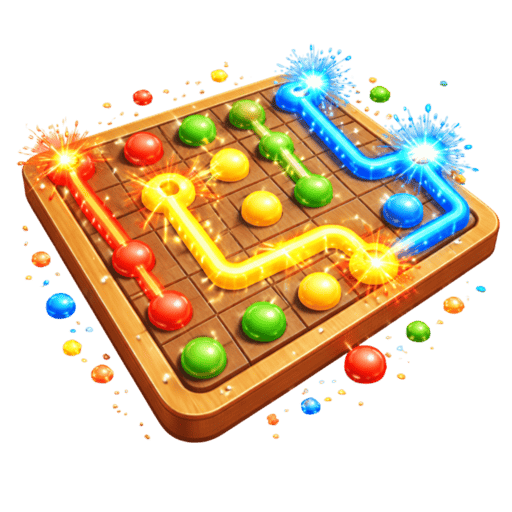
Connect Em All asks kids to draw paths connecting matching pairs without crossing lines. It sounds simple, but it develops spatial reasoning, planning ahead, and visual-spatial intelligence — skills that correlate strongly with math and science achievement.
What kids learn: Spatial planning, constraint satisfaction, visual problem-solving Best for ages: 7+
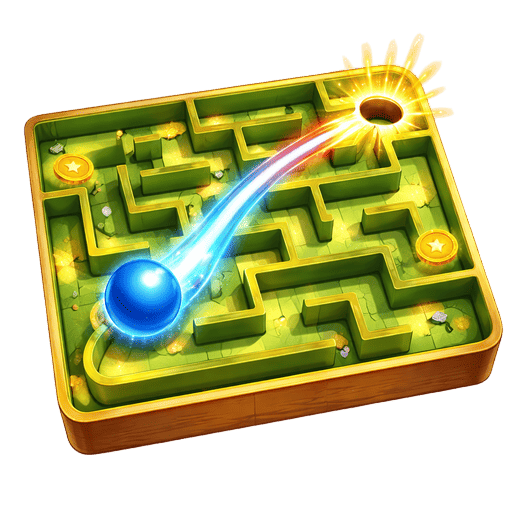
Maze Runner — Navigation & Memory
Maze Runner builds spatial navigation skills and working memory. Kids must remember dead ends, plan routes, and maintain a mental map of the maze. Research shows maze-solving activates the hippocampus — the brain's primary learning center.
What kids learn: Spatial memory, route planning, persistence Best for ages: 6+
Sliding Numbers — Sequential Logic
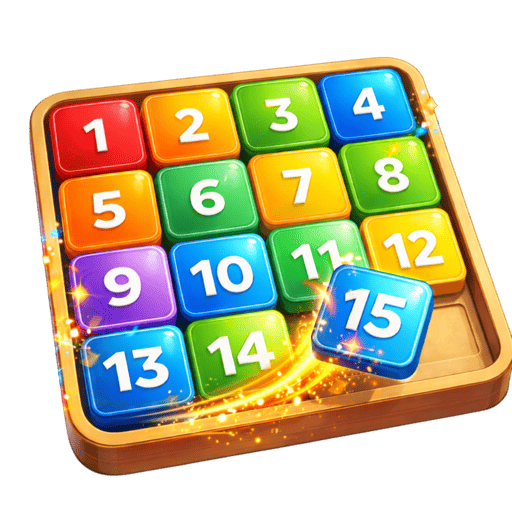
Sliding Numbers is the classic tile puzzle that develops sequential thinking. Kids must plan multiple moves ahead to arrange tiles in order — a skill that directly transfers to mathematical problem-solving.
What kids learn: Sequential planning, spatial manipulation, patience Best for ages: 8+
Language & Vocabulary
Word Search — Reading Reinforcement
Every game mentioned is free to download on Google Play and the App Store with no in-app purchases.
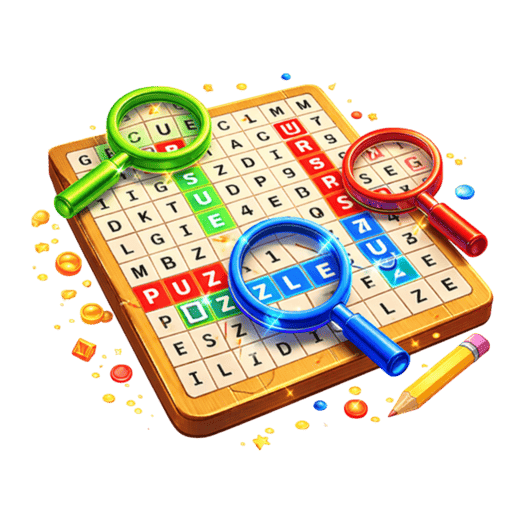
Word Search reinforces letter recognition, spelling patterns, and vocabulary. The scanning required for word search puzzles builds the same visual processing skills used in reading. Studies show regular word puzzle play correlates with improved reading speed.
What kids learn: Letter pattern recognition, vocabulary, visual scanning Best for ages: 6+
Number Search — Numerical Literacy
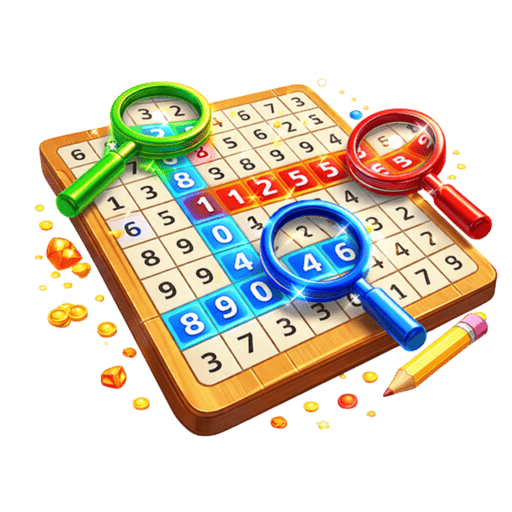
Number Search does for numbers what Word Search does for letters. Finding number sequences in a grid builds numerical pattern recognition — a foundational math skill that's often undertrained.
What kids learn: Number recognition, pattern spotting, concentration Best for ages: 7+
Mathematical Thinking
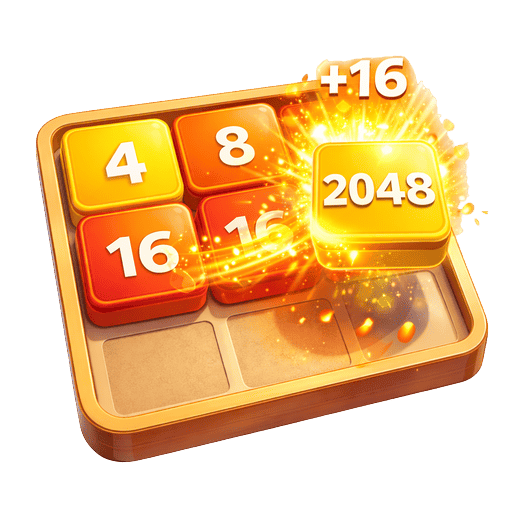
2048 — Powers of Two
2048 naturally teaches kids about doubling, powers of two, and strategic optimization. Kids who play 2048 develop intuitive understanding of exponential growth — a concept that's notoriously difficult to teach in traditional settings.
What kids learn: Doubling/multiplication, strategic planning, pattern recognition Best for ages: 9+
Colors Sort — Logical Sequencing
Colors Sort develops classification and sorting skills. Organizing colors into tubes requires logical sequencing — the same cognitive process used in scientific categorization and data organization.
What kids learn: Classification, logical sequencing, constraint management Best for ages: 6+
Strategic Thinking
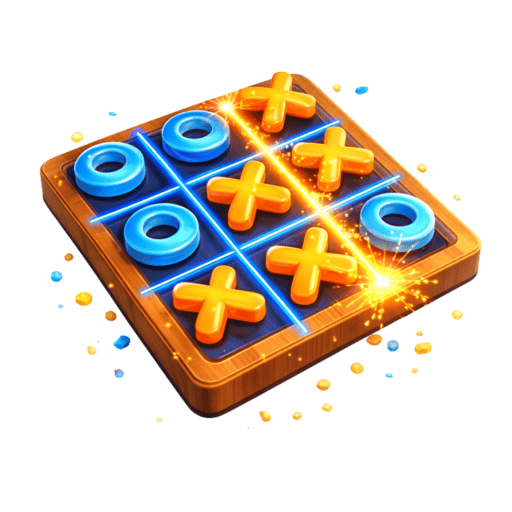
Tic Tac Toe — First Strategy Game
Tic Tac Toe is the perfect introduction to strategic thinking. Kids learn to anticipate opponent moves, plan ahead, and recognize winning patterns. It's often the first game where children understand the concept of strategy vs. luck.
What kids learn: Strategic planning, opponent modeling, pattern recognition Best for ages: 5+
How Much Game Time Is Appropriate?
The American Academy of Pediatrics recommends structured screen time guidelines:
- Ages 6-8: 30-45 minutes of puzzle gaming per day
- Ages 9-12: 45-60 minutes per day
- Ages 13+: Self-regulated with parental awareness
Key principle: Puzzle games are categorically different from passive screen consumption. Active problem-solving engages the brain in ways that watching videos does not.
Tips for Parents
- Play together — Tic Tac Toe and Maze Runner are great parent-child games
- Discuss strategies — Ask "How did you solve that?" to reinforce metacognition
- Rotate games — Different games train different skills; variety is key
- Celebrate effort — Praise persistence over scores to build growth mindset
- Set natural endpoints — "Three more puzzles, then dinner" works better than timers
See why parents trust Playtua on our about page and browse the full game collection.
Keep Reading
Building a Weekly Brain Training Schedule
| Day | Game | Skill Focus | Duration | | --------- | -------------- | --------------------- | -------- | | Monday | Word Search | Vocabulary | 15 min | | Tuesday | Connect Em All | Spatial thinking | 15 min | | Wednesday | 2048 | Mathematical thinking | 15 min | | Thursday | Maze Runner | Navigation & memory | 15 min | | Friday | Colors Sort | Logical sequencing | 15 min | | Weekend | Free choice | Mixed skills | 20 min |
📱 Download Playtua — App Store · Google Play — 50+ brain-building games for kids. Safe, free, no ads with premium.