It's 2 AM. You've been staring at the ceiling for an hour. Your mind won't stop racing. You grab your phone — and the worst thing you can do is open social media, news, or YouTube. The bright colors, emotional content, and infinite scroll will wire your brain further.
But the right kind of game can actually help. Gentle, repetitive puzzle games occupy just enough mental bandwidth to quiet racing thoughts without stimulating your brain further. Here's your late-night gaming prescription.
Why Certain Games Help with Insomnia
The science behind bedtime gaming:
- Cognitive occupation — Simple puzzles give your brain a single, manageable task instead of spiraling through anxious thoughts
- Repetitive patterns — Like counting sheep, repetitive game mechanics lull the brain toward sleep
- Low arousal — Games without time pressure, competition, or stakes keep stress hormones low
- Flow state — Gentle immersion replaces rumination with calm focus
- Closure — Completing a puzzle provides a satisfying endpoint to put the phone down
The key: the game must be engaging enough to stop thought spirals but boring enough that you naturally drift off.
The Best Bedtime Games
Colors Sort — Liquid Meditation
All of these games are available for free on Google Play and the App Store — no subscriptions needed.
Colors Sort is the #1 bedtime game. Pouring colored liquids between tubes is inherently soothing — the gentle animation, the satisfying completion, and the zero-pressure pacing create an almost meditative experience.
Why it works for insomnia: The visual simplicity doesn't overstimulate. The logical challenge occupies your analytical mind without engaging your emotional brain. There's no penalty for pausing, no timer, and no score pressure. Many players report falling asleep mid-puzzle.
Bedtime tip: Lower your screen brightness to minimum and enable night/warm mode.
Popit Fidget — Digital Comfort Object
Popit Fidget is pure sensory comfort. No goals, no scores, no winning or losing — just pop bubbles in whatever pattern feels satisfying. It's the digital equivalent of a stress ball.
Why it works for insomnia: The repetitive popping provides enough sensory engagement to prevent thought spiraling while being utterly un-stimulating. It's impossible to get stressed or excited playing Popit Fidget.
Bedtime tip: Pop slowly and rhythmically — match your breathing to your popping pattern.
Spider Solitaire — Quiet Engagement
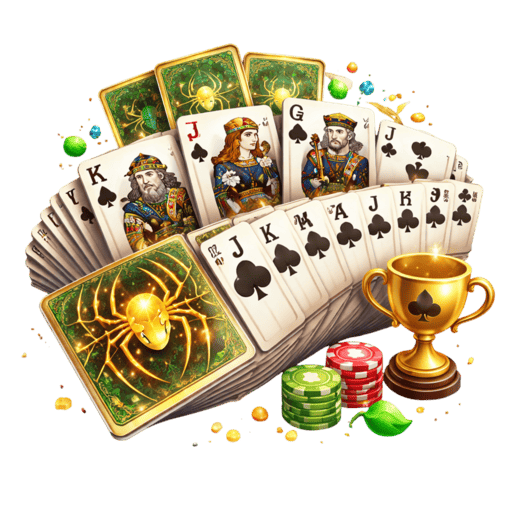
Spider Solitaire in 1-suit mode provides gentle card-sorting engagement. The familiar mechanics require just enough thought to prevent rumination without demanding intense focus.
Why it works for insomnia: Card games have been used for centuries as pre-sleep rituals. The repetitive deal-sort-stack pattern is inherently calming, and the muted visuals don't overstimulate.
Bedtime tip: Stick to 1-suit mode. 2-suit and 4-suit are too engaging for pre-sleep.
Word Search — Gentle Scanning
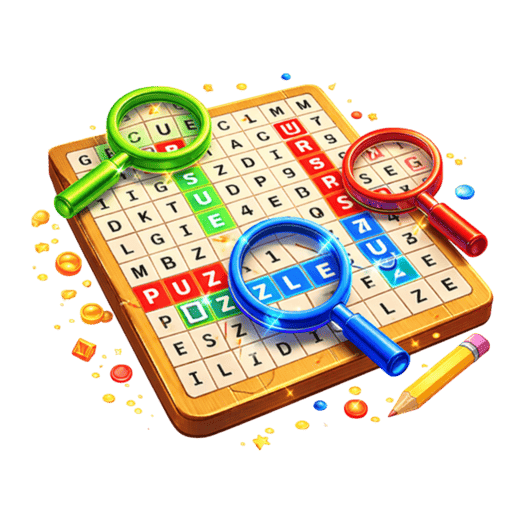
Word Search provides the lightest possible cognitive engagement. Scanning for hidden words is just mentally active enough to prevent thought loops while being deeply monotonous in the best possible way.
Why it works for insomnia: The scanning pattern is visually repetitive. Your eyes move in predictable patterns across the grid, which has a hypnotic quality similar to reading a dull book.
Bubble Shooter — Rhythmic Popping
Bubble Shooter offers gentle, rhythmic gameplay — aim, shoot, pop. The consistent pattern is almost like a visual lullaby. The cascading bubble chains provide satisfying closure without excitement.
Why it works for insomnia: The aim-shoot-pop cycle becomes automatic after a few minutes, allowing your conscious mind to relax while your hands stay gently occupied.
Connect Em All — Quiet Path Drawing
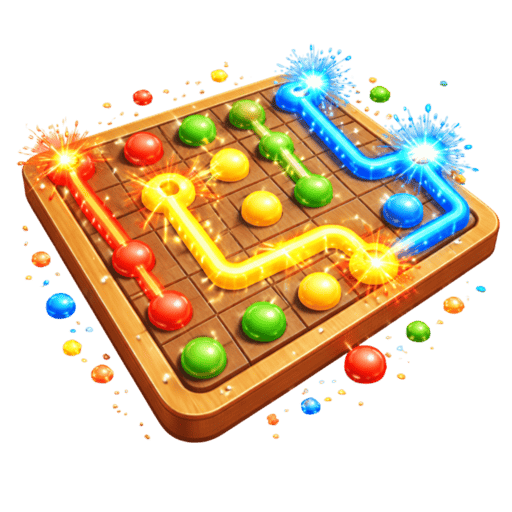
Connect Em All involves drawing paths between matching dots. The gentle line-drawing motion and spatial puzzle engage just enough brain power to prevent racing thoughts.
Sliding Numbers — Familiar and Meditative
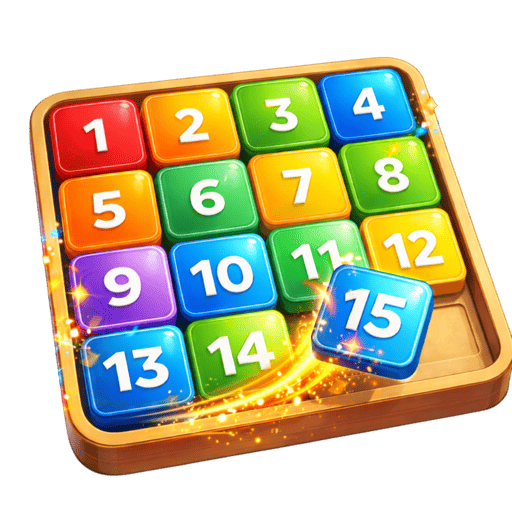
Sliding Numbers is the classic tile-sliding puzzle that's been calming minds since the 1880s. The familiar mechanic requires minimal cognitive load while keeping hands and mind gently occupied.
Games to AVOID Before Bed
Not all games are sleep-friendly. Avoid these at night:
- Flappy Bird — Too intense, causes frustration and adrenaline
- Car Racing / Bike Racing — Fast-paced action stimulates alertness
- Fruit Ninja — Quick reflexes engage fight-or-flight responses
- Candy Crush (timed levels) — Timer pressure creates anxiety
- Whack A Mole — Rapid tapping increases heart rate
Save these for daytime when you want energy and stimulation.
The Ideal Bedtime Gaming Setup
- 30 minutes before desired sleep time — get into bed
- Enable night mode on your phone (warm/amber screen tint)
- Lower brightness to 20-30% — minimum comfortable visibility
- Turn off sound — play in silence or with white noise
- Choose Colors Sort, Popit Fidget, or Spider Solitaire
- Play until drowsy — don't fight sleep when it comes
- Put phone face-down when you feel sleepy
The Science of Pre-Sleep Screen Time
The common advice "no screens before bed" is oversimplified. What matters is:
- Content type — Calming puzzles are very different from stimulating social media
- Brightness — Low brightness with night mode minimizes blue light impact
- Duration — 15-20 minutes of gentle gaming is fine; 2 hours of scrolling is not
- Emotional engagement — News and social media trigger emotional responses; puzzles don't
A 2021 study in the Journal of Sleep Research found that participants who played simple puzzle games before bed fell asleep faster than those who used social media or watched videos, despite equal screen time.
Learn more about what makes Playtua different on our features page.
Keep Reading
When Gaming Isn't Enough
If insomnia persists for more than 2-3 weeks, gaming is a coping tool, not a cure. Consider:
- Sleep hygiene basics — consistent bedtime, cool room, dark environment
- Cognitive Behavioral Therapy for Insomnia (CBT-I) — the gold standard treatment
- Consulting a healthcare provider — chronic insomnia may have underlying causes
Games like these are part of a healthy sleep toolkit, not a replacement for medical advice.
📱 Download Playtua — App Store · Google Play — Calming games for sleepless nights. Free, no ads, works offline.