"Stop playing games and do something productive." It's advice most of us have heard. But what if the science says the opposite? What if playing the right games is genuinely good for your mental health?
A growing body of research suggests exactly that. Here's what the science actually says about gaming and stress.
The Stress Response: A Quick Primer
When you're stressed, your body activates the hypothalamic-pituitary-adrenal (HPA) axis:
- Your brain perceives a threat (real or imagined)
- Cortisol (stress hormone) floods your bloodstream
- Heart rate increases, muscles tense, breathing quickens
- Non-essential functions (digestion, immune response) are suppressed
- Your brain enters a hyper-vigilant, threat-scanning mode
This response evolved for physical dangers. But modern stress triggers — work deadlines, social anxiety, financial worry — activate the same system. The result: chronic cortisol elevation, which contributes to anxiety, depression, insomnia, and physical health problems.
How Puzzle Games Break the Stress Cycle
Puzzle games interrupt the stress response at multiple points:
All of these games are available for free on Google Play and the App Store — no subscriptions needed.
1. Cognitive Load Displacement
Your working memory has limited capacity (4-7 items). Stress occupies this bandwidth with worried thoughts. A puzzle game also demands working memory — and it wins the competition because it provides immediate, concrete feedback while stress thoughts are abstract and unresolvable.
Research: A 2020 study in Frontiers in Psychology found that Tetris-like games reduced intrusive stressed thoughts by 24% compared to a control group.
2. Flow State Induction
Puzzle games that match your skill level can trigger flow state — a condition of deep focus where self-consciousness, time awareness, and worry dissolve. Flow state is essentially the neurological opposite of anxiety.
Research: Csikszentmihalyi's foundational flow research (1990) identified games as one of the most reliable flow triggers. Flow states are associated with reduced cortisol, increased dopamine, and decreased activity in the brain's default mode network (the region responsible for rumination).
3. Autonomic Nervous System Regulation
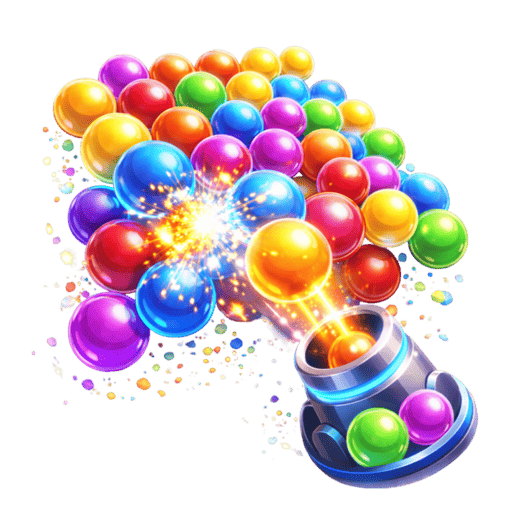
Rhythmic, predictable game mechanics (like Bubble Shooter's aim-shoot-pop cycle) can synchronize with and slow your breathing pattern. This activates the parasympathetic nervous system — your body's "rest and digest" mode — counteracting the stress-activated sympathetic system.
Research: A 2019 study in JMIR Mental Health found that casual game players showed measurably lower heart rate variability markers of stress during and after gameplay.
4. Dopamine Micro-Rewards
Completing a puzzle, clearing a line, or popping a bubble cluster triggers small dopamine releases. These micro-rewards create positive emotional states that directly counteract stress-induced negative affect.
Research: Neuroimaging studies show that puzzle completion activates the same reward circuitry as other pleasurable activities, providing genuine mood elevation.
5. Perceived Control
Stress often stems from feeling out of control. Games provide a domain where you have complete control — every action has a predictable outcome, and every challenge has a solution. This sense of agency is psychologically therapeutic.
Research: Seligman's learned helplessness research shows that perceived control is a key buffer against stress and depression. Games provide reliable control experiences.
The Best Games for Each Stress Type
Work Stress (Deadline Pressure, Overload)
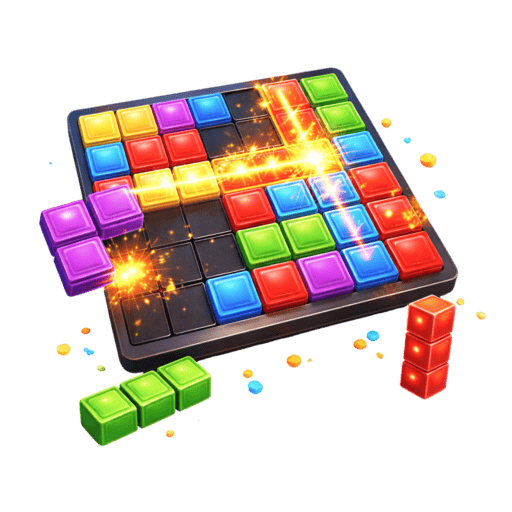
Best: Block Blast, Spider Solitaire Why: Flow state induction provides genuine mental escape from work thoughts. The strategic engagement is different enough from work tasks to provide cognitive rest.
Social Stress (Conflict, Anxiety)
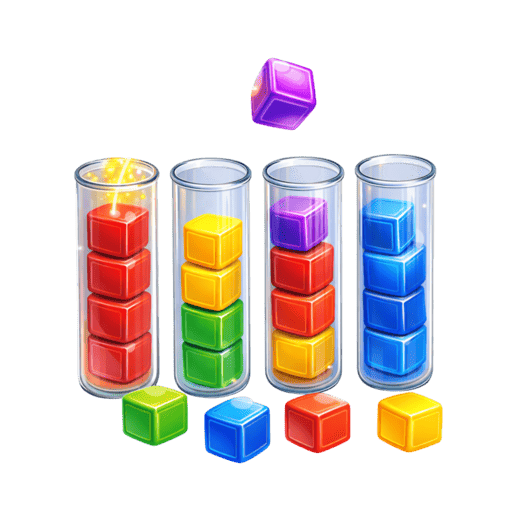
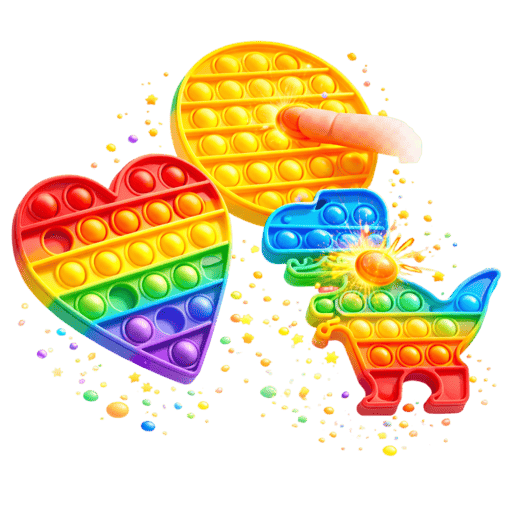
Best: Colors Sort, Popit Fidget Why: Zero social component. No competition, no performance pressure, no judgment. Pure solo experience.
Generalized Anxiety (Persistent Worry)
Best: Colors Sort, Bubble Shooter, Word Search Why: Cognitive load displacement interrupts worry loops. Rhythmic gameplay regulates autonomic nervous system.
Acute Stress (Recent Stressful Event)
Best: Popit Fidget, Colors Sort Why: Sensory grounding brings attention to the present moment, reducing traumatic replay.
Physical Tension (Muscle Tightness, Headaches)
Best: Bubble Shooter, Connect Em All Why: Gentle, rhythmic gameplay promotes physical relaxation as mental engagement diverts attention from tension.
Decision Fatigue (Too Many Choices All Day)
Best: Word Search, Popit Fidget Why: Minimal decision-making required. These games provide engagement without adding to decision load.
The Stress Relief Gaming Protocol
Based on research, the optimal stress-relief gaming session:
Duration: 15-20 Minutes
Studies show consistent benefits at 15 minutes. Returns diminish beyond 30 minutes. Shorter sessions (5-10 minutes) help for acute stress.
Timing: Within 30 Minutes of Stressor
The sooner you engage a stress-interrupting activity, the less cortisol accumulates. Playing immediately after a stressful meeting is more effective than playing 2 hours later.
Game Selection: Match Your Arousal Level
- Very stressed (high arousal): Start with Popit Fidget (pure calming), then transition to Colors Sort
- Moderately stressed: Colors Sort or Bubble Shooter
- Mildly stressed: Block Blast or 2048 (flow state games)
Environment: Minimize Additional Stimuli
- Mute notifications
- Reduce screen brightness
- Sit comfortably
- Optional: play with ambient background music
What the Research Does NOT Say
Responsible science communication requires honesty about limitations:
- Gaming is not therapy. It's a coping tool. Chronic stress requires professional intervention.
- Not all games reduce stress. Competitive, frustrating, or time-pressured games can increase stress.
- Excessive gaming can become problematic. 15-30 minutes for stress relief is beneficial; 5+ hours of escapism may indicate deeper issues.
- Individual variation exists. Some people find gaming stress-relieving; others don't. Follow what works for you.
Learn more about what makes Playtua different on our features page.
Keep Reading
Games vs. Other Stress Relief Methods
| Method | Effectiveness | Accessibility | Cost | Time Required | | ------------------------ | ------------- | ------------------------- | ------ | ------------- | | Puzzle games | Moderate-High | Instant, anywhere | Free | 10-20 min | | Exercise | Very High | Requires space/gear | Varies | 30-60 min | | Meditation | High | Requires quiet space | Free | 10-20 min | | Social support | Very High | Requires available people | Free | 15+ min | | Deep breathing | Moderate | Instant, anywhere | Free | 2-5 min | | Professional therapy | Very High | Requires appointment | $$$ | 50 min |
The advantage of puzzle games: they're always available, require nothing, and work in any setting — waiting rooms, commutes, break times, bed. They complement rather than replace other stress management techniques.
📱 Download Playtua — App Store · Google Play — Science-backed stress relief in your pocket. 50+ calming games, free, no ads.