Complete Game Guide

How to Play Sliding Numbers

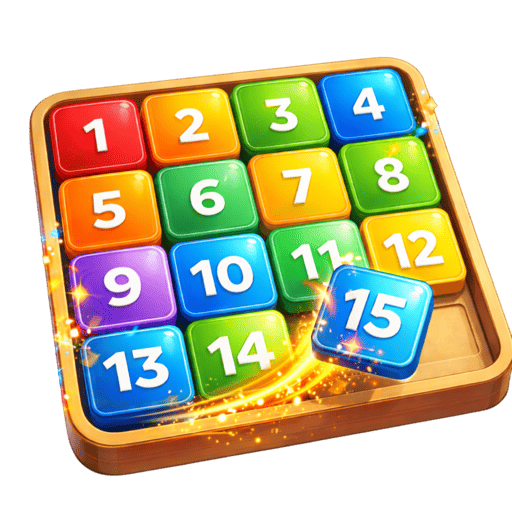
Slide numbered tiles to solve puzzles - classic sliding puzzle game!
Difficulty: Medium to Hard
Category: Puzzle
Age: Everyone
How to Play Sliding Numbers - Complete Guide on Playtura

What is Sliding Numbers?

Sliding Numbers is a classic puzzle game that challenges your logical thinking and spatial reasoning. Slide numbered tiles on a grid to arrange them in the correct order, using the empty space strategically. The game features multiple grid sizes, from easy 3x3 puzzles to challenging 5x5 grids. With its simple concept but deep strategic gameplay, Sliding Numbers provides excellent brain training. Perfect for improving problem-solving skills and mental agility, this timeless puzzle game offers endless entertainment.

Master the classic sliding puzzle in Sliding Numbers! This brain-training game challenges you to arrange numbered tiles in order using strategic moves. Start with simple 3x3 grids and work your way up to challenging 5x5 puzzles. The minimalist design and satisfying gameplay make this perfect for puzzle enthusiasts and brain training!

Step-by-Step Guide to Play Sliding Numbers

  1. 1

    Tap any tile adjacent to the empty space to slide it into the gap

  2. 2

    Rearrange all numbered tiles into sequential order (1, 2, 3...)

  3. 3

    The final position should have numbers reading left-to-right, top-to-bottom

  4. 4

    Try to complete the puzzle in the fewest moves possible

  5. 5

    Use the undo button to reverse a move if you make a mistake

  6. 6

    Challenge yourself with larger grid sizes as your skills improve

  7. 7

    Race against the clock to beat your personal best time

Sliding Numbers Features

Classic sliding puzzle mechanics with smooth tile animations
Multiple grid sizes: 3x3 (easy), 4x4 (medium), 5x5 (hard)
Move counter tracking to measure your efficiency
Best time records for each grid size
Hint system that shows the next optimal move
Clean, minimalist design with numbered tiles
Undo move option to reverse mistakes
Progressive difficulty — master small grids before tackling larger ones
Shuffle intensity settings for varying challenge levels
Offline play — no internet connection required

Pro Tips & Winning Strategies

Solve the top row first, then the second row, working downward

Plan several moves ahead — visualize where tiles need to go

Use the empty space strategically to maneuver tiles into position

Learn the "last two tiles" technique for completing rows efficiently

Start with 3x3 grids to learn fundamental sliding patterns

For 4x4+ grids, solve corners and edges before the center

Don't undo too much — learning from mistakes builds better intuition

Benefits of Playing Sliding Numbers

Improves logical thinking and sequential reasoning
Enhances spatial reasoning and mental visualization
Develops problem-solving skills through constraint-based puzzles
Provides excellent brain training for all ages
Strengthens working memory and planning abilities
Great for mental agility and cognitive fitness

Frequently Asked Questions

What are the step-by-step rules of Sliding Numbers?
Step 1: Tap any tile adjacent to the empty space to slide it into the gap Step 2: Rearrange all numbered tiles into sequential order (1, 2, 3...) Step 3: The final position should have numbers reading left-to-right, top-to-bottom Step 4: Try to complete the puzzle in the fewest moves possible Step 5: Use the undo button to reverse a move if you make a mistake Step 6: Challenge yourself with larger grid sizes as your skills improve Step 7: Race against the clock to beat your personal best time
What strategies help win at Sliding Numbers?
Solve the top row first, then the second row, working downward Plan several moves ahead — visualize where tiles need to go Use the empty space strategically to maneuver tiles into position Learn the "last two tiles" technique for completing rows efficiently Start with 3x3 grids to learn fundamental sliding patterns For 4x4+ grids, solve corners and edges before the center Don't undo too much — learning from mistakes builds better intuition
How long does a typical Sliding Numbers session take?
A typical Sliding Numbers session lasts 2-10 minutes, though you can play for as long as you like. The game can be paused and resumed at any time.
Is Sliding Numbers suitable for beginners?
Sliding Numbers is challenging, but beginners can start on easier settings and improve over time. The controls are simple to learn.
What cognitive benefits does playing Sliding Numbers provide?
Improves logical thinking and sequential reasoning. Enhances spatial reasoning and mental visualization. Develops problem-solving skills through constraint-based puzzles. Provides excellent brain training for all ages. Strengthens working memory and planning abilities. Great for mental agility and cognitive fitness.

More Game Guides

Explore More

Ready to Play Sliding Numbers?

Download Playtura now — Sliding Numbers plus 30+ other amazing games, completely free!

Download Playtura Free