In an age of infinite notifications, short-form video, and constant digital interruptions, sustained focus has become a rare and valuable skill. The average person's attention span has decreased from 12 seconds in 2000 to 8.25 seconds in 2023 — shorter than a goldfish's.
But attention isn't fixed. It's trainable. And certain games are remarkably effective at strengthening your brain's focus networks.
How Focus Works in the Brain
Your brain has three attention networks:
- Alerting network — Maintaining readiness to respond (vigilance)
- Orienting network — Directing attention to specific stimuli (selective focus)
- Executive network — Managing conflicting information (sustained concentration)
Different games train different networks. A comprehensive focus-training approach exercises all three.
Games for Sustained Concentration
These games require holding focus for extended periods — the most transferable skill for work and study.
All of these games are available for free on Google Play and the App Store — no subscriptions needed.
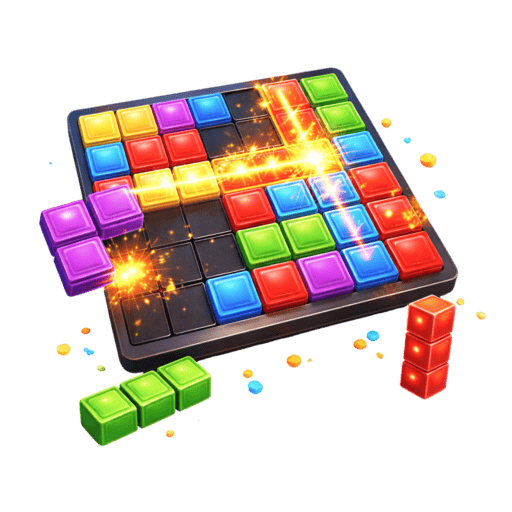
Block Blast — Deep Focus Training
Block Blast requires 15-30 minutes of unbroken concentration per game. You must continuously track available space, upcoming blocks, line completion potential, and strategic placement options — all simultaneously.
Focus mechanism: The gradual difficulty increase naturally extends your sustained attention duration. As the board fills, concentration demands increase proportionally, training your brain to maintain focus under escalating cognitive load.
Training protocol: Play one complete game without checking your phone, pausing, or looking away. Time how long you maintain unbroken focus. Try to extend this duration each session.
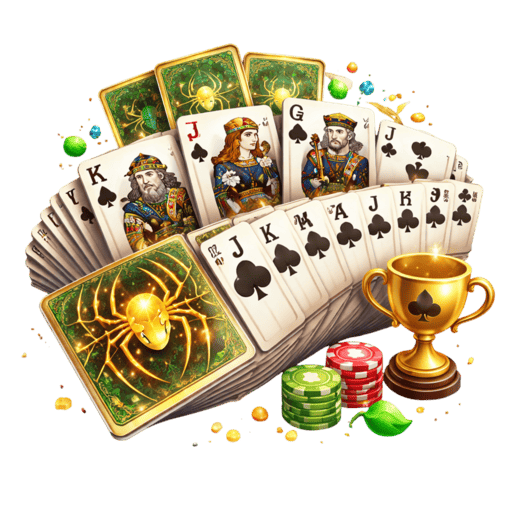
Spider Solitaire — Methodical Attention
Spider Solitaire requires steady, methodical attention across a 15-20 minute game. The card-tracking, sequence-building, and column-management demand consistent mental engagement without the intensity that causes burnout.
Focus mechanism: The moderate cognitive load is ideal for building sustained attention stamina. It's challenging enough to prevent mind-wandering but not so intense that it causes attention fatigue.
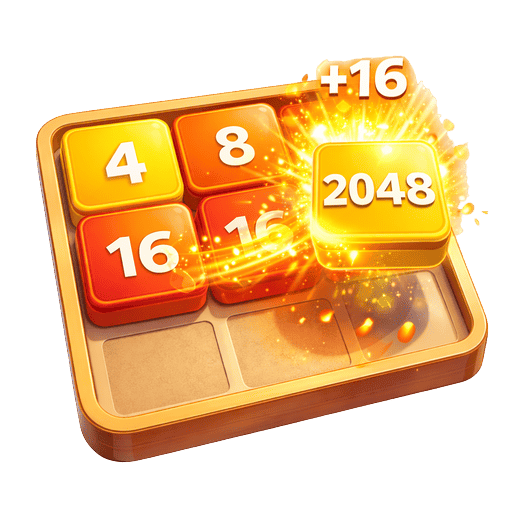
2048 — Strategic Focus Under Pressure
2048 trains the executive attention network — maintaining focus while managing multiple competing priorities. Each swipe affects the entire board, requiring continuous strategic recalculation.
Focus mechanism: The "one wrong move" risk keeps your brain alert throughout the entire session. This vigilance training transfers directly to tasks requiring careful, error-free work.
Games for Selective Attention
These games train your ability to focus on relevant information while filtering distractions.
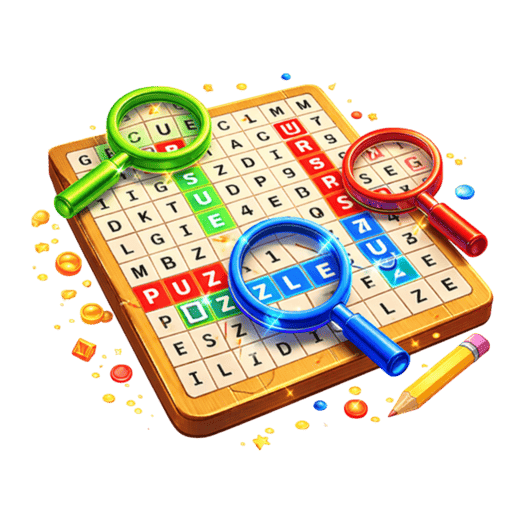
Word Search — Visual Attention Filtering
Word Search is a pure selective attention exercise. Your brain must focus on target letter patterns while ignoring surrounding noise. This directly trains the same attention skills used in reading, data analysis, and visual inspection.
Focus mechanism: The scanning pattern activates and strengthens your brain's visual attention filters. Over time, you become faster at finding relevant information in cluttered environments.
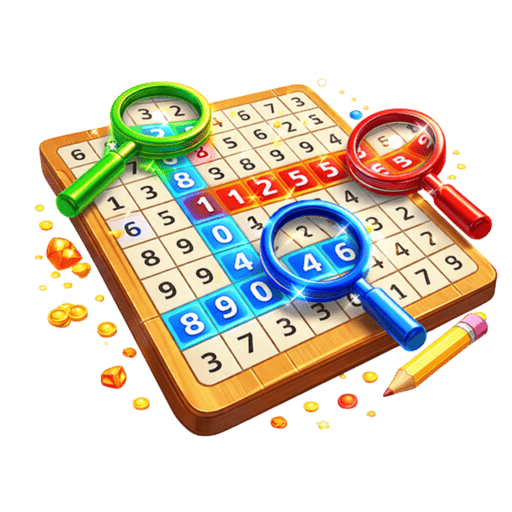
Number Search — Numerical Attention Filtering
Number Search trains selective attention for numerical data — finding specific number sequences while ignoring surrounding digits. This is particularly valuable for professions involving data, spreadsheets, and numerical analysis.
Focus mechanism: Identical to Word Search but exercises the brain's numerical processing pathways instead of language pathways.
Games for Cognitive Flexibility
These games train the ability to switch focus between different tasks — a key component of effective concentration.
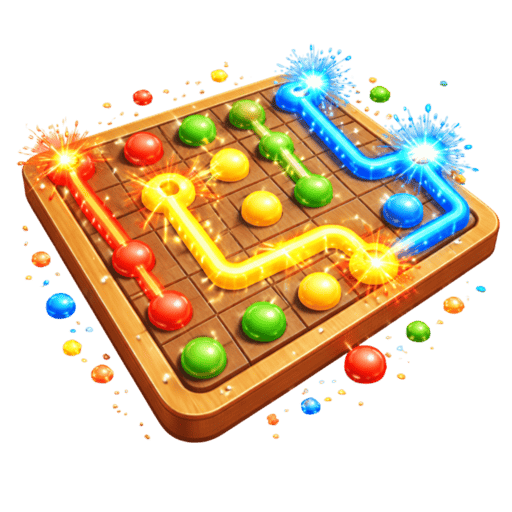
Connect Em All — Spatial Task Switching
Connect Em All requires continuously shifting focus between drawn paths, available cells, remaining pairs, and spatial constraints. This rapid but controlled attention switching builds cognitive flexibility.
Focus mechanism: Each puzzle requires dozens of micro focus-shifts — examining one path, checking constraints, planning another path, verifying the solution. This trains the brain's task-switching efficiency.
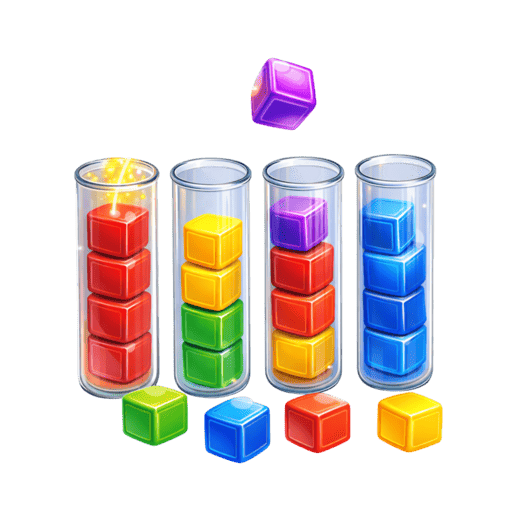
Colors Sort — Sequential Focus Management
Colors Sort requires maintaining focus on multiple tubes simultaneously while planning sequential pours. The challenge of tracking the state of 5-8 tubes trains working memory and attention allocation.
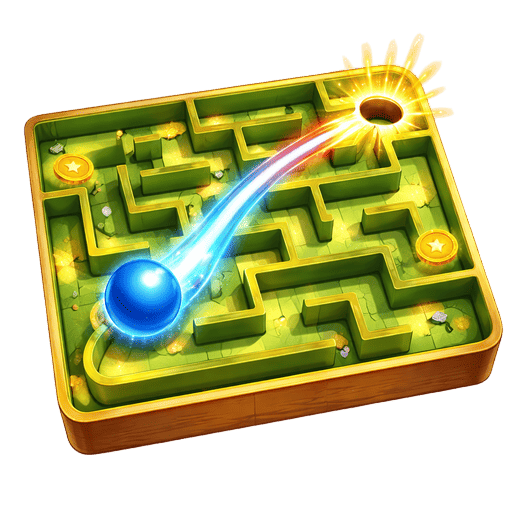
Maze Runner — Navigation Focus
Maze Runner trains the ability to maintain directional focus while building a mental map. The split attention between immediate navigation and global route planning strengthens multi-level focus management.
The Focus Training Schedule
Week 1-2: Foundation (10 min/day)
- Word Search (5 min) — selective attention warm-up
- Block Blast (5 min) — sustained attention introduction
Week 3-4: Building (15 min/day)
- Number Search (5 min) — selective attention
- Block Blast (10 min) — extending sustained attention duration
Week 5-6: Strengthening (20 min/day)
- Word Search or Number Search (5 min) — selective attention
- 2048 or Connect Em All (5 min) — cognitive flexibility
- Block Blast or Spider Solitaire (10 min) — sustained attention
Week 7+: Maintenance (15-20 min/day)
- Rotate all games, focusing on weakest attention area
- Track your sustained focus duration — it should be increasing
Measuring Your Progress
Track these metrics to monitor focus improvement:
- Block Blast game duration — longer games = better sustained attention
- Word Search completion speed — faster finding = sharper selective attention
- 2048 high score — higher scores = better strategic focus
- Subjective focus at work — rate your daily focus 1-10
Most people notice improvement within 2-3 weeks of consistent daily practice.
Learn more about what makes Playtua different on our features page.
Keep Reading
Focus Games vs. Focus Apps
Dedicated focus/meditation apps (like Headspace) are excellent, but games offer complementary benefits:
| | Focus Games | Meditation Apps | | ---------------------- | ------------------------------------------------------ | ------------------------------ | | Type of training | Active attention | Passive awareness | | Engagement | High (game mechanics) | Variable (requires discipline) | | Skill transfer | Task-based focus | General mindfulness | | Compliance | High (fun) | Often low (feels like work) | | Best combined with | Each other — they train different aspects of attention |
The optimal approach uses both: meditation for baseline mindfulness, puzzle games for active attention training.
📱 Download Playtua — App Store · Google Play — Train your focus with 50+ games. Free, no distractions, no ads.