Study marathons don't work. Cognitive science consistently shows that spaced study with strategic breaks outperforms continuous cramming. But the break matters as much as the study — and most students spend breaks scrolling social media, which actually decreases subsequent focus.
The right game during a study break can reset your attention, reduce study fatigue, and improve retention of material you just studied.
The Pomodoro Gaming System
The Pomodoro Technique (25 min study / 5 min break) is the gold standard for student productivity. Here's how to integrate games:
5-Minute Micro Breaks (Between Pomodoros)
Best games:
- Flappy Bird — 3-4 quick attempts completely reset your attention
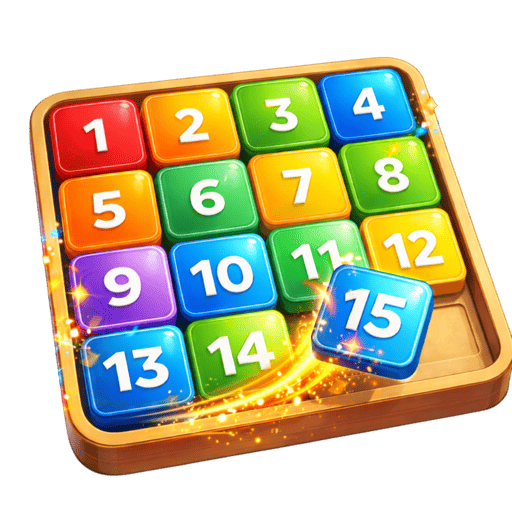
- Sliding Numbers — One puzzle = one satisfying micro-achievement
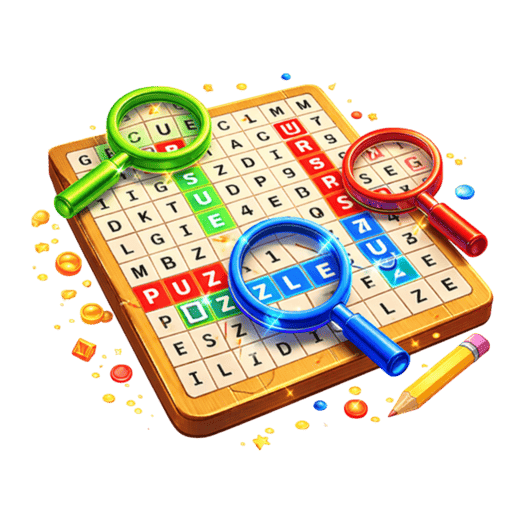
- Word Search — Find 3-4 words, then back to studying
Why these work: They're short enough to fit in 5 minutes, provide a genuine cognitive shift from study material, and have natural stopping points so you don't overrun your break.
15-Minute Extended Breaks (Every 2 Hours)
Best games:
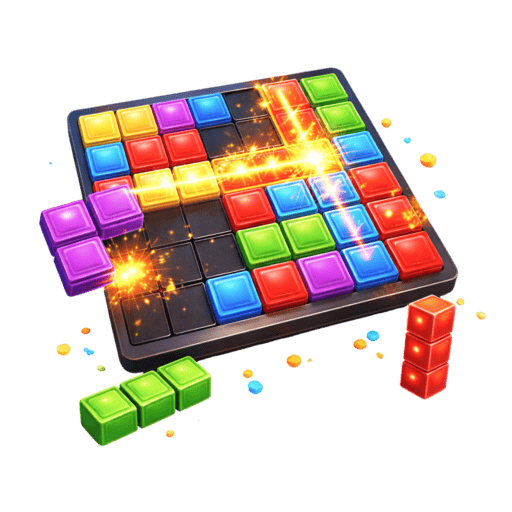
- Block Blast — One focused game provides a deep mental reset
- Spider Solitaire — A complete card game in 12-15 minutes
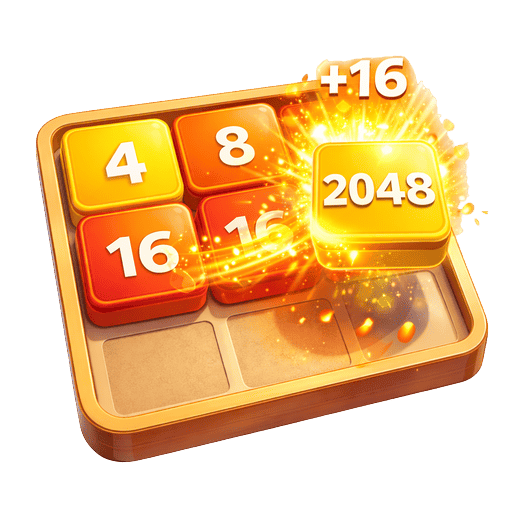
- 2048 — Strategic gameplay that exercises different brain regions
Why these work: Longer engagement creates a genuine "mental palate cleanser" — your study-related neural pathways rest while game-related pathways activate.
30-Minute Major Breaks (Between Subjects)
Best games:
- Block Blast — Deep flow state that fully disconnects from study stress
- Multiple games rotation — 10 min Block Blast → 10 min Word Search → 10 min 2048
Games That Complement Studying
Word Search — Vocabulary Reinforcement
Every game mentioned is free to download on Google Play and the App Store with no in-app purchases.
Word Search exercises the same language-processing brain regions used in reading and writing. Playing Word Search between reading-heavy study sessions keeps those neural pathways active without the fatigue of processing new academic content.
Best for: English, humanities, and law students
Number Search — Numerical Processing
Number Search activates numerical pattern recognition — the same cognitive function used in math, statistics, and science. It's a warm-up for quantitative study sessions.
Best for: STEM, finance, and economics students
2048 — Strategic Thinking
2048 exercises strategic planning and mathematical intuition. The multi-step decision-making process complements analytical study tasks.
Best for: Math, computer science, and engineering students
Maze Runner — Spatial Reasoning
Maze Runner trains spatial memory and navigation — skills directly relevant to architecture, design, geography, and anatomy studies.
Best for: Architecture, design, medical, and geography students
The Science of Study Breaks
Why Breaks Improve Learning
- Memory consolidation — Your brain processes and stores information during rest periods
- Attention restoration — Sustained attention depletes; breaks replenish it
- Incubation effect — Background processing during breaks often yields "aha" moments
- Reduced interference — Spacing study sessions reduces memory interference between topics
Why Games Beat Social Media for Breaks
A 2022 study at the University of California compared three break activities:
- Puzzle games: Students returned to study with 18% better focus
- Social media: Students returned with 12% worse focus
- Sitting quietly: Students returned with 5% better focus
Puzzle games won because they provide active cognitive engagement in a different domain, creating the most complete mental reset.
Exam Season Gaming Strategy
One Week Before Exams
- Short breaks only (5 min)
- Flappy Bird and Sliding Numbers (quick reset games)
- Strict timer on breaks
Day Before Exams
- Moderate breaks (10-15 min)
- Block Blast or Spider Solitaire (calming, anxiety-reducing)
- No competitive or frustrating games
Between Exams
- Full 30-minute breaks
- Any game you enjoy
- Focus on stress relief and mental recovery
Study Break Rules
- Set a timer — Game breaks have firm endpoints
- No social media during breaks — It's a trap, not a break
- Physical movement too — Alternate between game breaks and walk breaks
- Match game to energy — Tired? Word Search. Energized? Flappy Bird
- No guilt — Strategic breaks improve outcomes; they're part of studying, not avoiding it
See why parents trust Playtua on our about page and browse the full game collection.
Keep Reading
The Student Gaming Setup
- [ ] Playtua downloaded
- [ ] Phone in Do Not Disturb mode (games only, no notifications)
- [ ] Timer app ready for break timing
- [ ] Phone face-down during study periods
- [ ] Charger nearby for longer study sessions
📱 Download Playtua — App Store · Google Play — Smart study breaks. 50+ games, free, works offline, no distracting ads.